Capresso Coffee Maker Instruction Manual: A Comprehensive Guide
Welcome! This manual details operation of your Capresso coffee maker, encompassing brewing, cleaning, and troubleshooting․ It covers features,
CBAM relevance, and ensures optimal performance for years to come․
Understanding Your Capresso Coffee Maker
Capresso expertly crafts home coffee solutions, from innovative makers to grinders and kettles, catering to discerning coffee enthusiasts․ The brand name itself, a fusion of “cappuccino” and “espresso,” embodies its dedication to coffee innovation․ Your Capresso coffee maker is designed for convenience and quality, delivering a superior brewing experience․
This machine isn’t just about brewing; it’s about understanding the nuances of coffee preparation․ Familiarize yourself with the components and their functions․ Consider the potential impact of policies like the UK’s Carbon Border Adjustment Mechanism (CBAM), which may affect import costs related to components or the unit itself․ CBAM aims for fair carbon pricing, potentially increasing costs for imported goods based on their carbon footprint․
Proper use and maintenance, as detailed in this manual, will ensure your Capresso coffee maker consistently produces exceptional coffee․ Understanding these aspects will unlock the full potential of your machine․
Model Identification and Features
Capresso offers a diverse range of coffee makers, including espresso machines, steam-powered models like the Steam Pro, and standard drip coffee makers․ Identifying your specific model is crucial for accessing the correct support and understanding its unique features․ Refer to the label on the base of your unit for the model number․
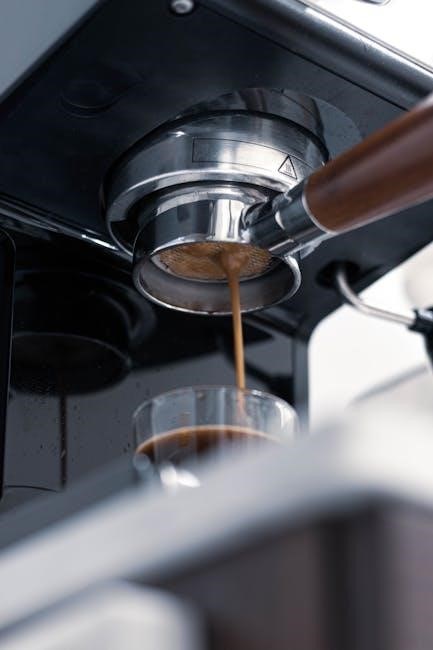
Key features commonly found across Capresso models include programmable timers for automated brewing, adjustable brew strengths, and water filtration systems for optimal taste․ Some models boast integrated steam functions for creating cappuccinos and lattes․ Understanding these features allows for customized brewing․
Be aware that import/export regulations, such as the UK’s CBAM, could influence component sourcing and pricing․ CBAM charges are calculated based on embedded emissions, potentially impacting the cost of imported parts․ Familiarize yourself with your model’s specifications to maximize its performance and longevity․
Initial Setup and Preparation
Before first use, carefully unpack your Capresso coffee maker and verify all components are present․ This includes the carafe, filter basket, water reservoir, and any included accessories․ Inspect for any shipping damage; contact the retailer immediately if issues are found․
The first-time cleaning procedure is vital․ Fill the water reservoir to its maximum capacity with fresh, filtered water․ Run a full brewing cycle without coffee grounds․ Repeat this process at least twice to remove any manufacturing residue or dust․ This ensures a clean, pure coffee taste from the start․
Consider the potential impact of regulations like the UK CBAM on future component availability․ Proper initial setup and diligent maintenance will maximize the lifespan of your Capresso machine, mitigating potential disruptions․
Unboxing and Component Checklist
Carefully open the Capresso coffee maker packaging and retain it for potential future transport or warranty claims․ Your package should include the following components: the Capresso coffee maker unit itself, a glass carafe (check for cracks!), a removable filter basket, a reusable permanent filter (or paper filter starter pack), and the water reservoir․
Additionally, verify the presence of the instruction manual (you’re reading it now!), and any included measuring scoop․ Some models may include a cleaning brush or descaling solution․ Compare the contents against the parts diagram in this manual․
Note any missing or damaged parts immediately and contact Capresso customer support or your retailer․ Understanding component origins, even considering CBAM implications for imported parts, ensures a smooth start․
First-Time Cleaning Procedure
Before your first brew, a thorough cleaning is essential․ Remove all packaging materials and wash the carafe, filter basket, and reusable filter (if applicable) with warm, soapy water․ Rinse thoroughly to remove any residue․ Wipe down the exterior of the coffee maker with a damp cloth․
Next, perform a “cleaning brew” with water only․ Fill the water reservoir to its maximum capacity and run a full brewing cycle without coffee grounds․ Discard the water from the carafe․ Repeat this process at least twice to eliminate any manufacturing residues or odors․
This initial cleaning ensures a pure coffee flavor from the start․ Consider the environmental impact of cleaning agents, aligning with initiatives like the UK CBAM, and choose eco-friendly options․

Brewing with Your Capresso Coffee Maker
Optimal brewing requires precise water levels, correctly ground coffee, and understanding your machine’s settings․ Enjoy consistently delicious coffee with these guidelines!
Water Reservoir and Filtration
Maintaining water quality is crucial for exceptional coffee; Your Capresso coffee maker features a removable water reservoir, clearly marked with level indicators for precise brewing amounts․ Always use fresh, filtered water to prevent scale buildup and ensure optimal flavor extraction․
The integrated water filtration system significantly reduces chlorine, odors, and impurities, enhancing the coffee’s natural taste profile․ Replace the filter cartridge regularly – typically every two months, or after 60 tanks – depending on your water hardness and usage․
To remove the reservoir, lift it straight up and detach it from the machine․ Rinse thoroughly with cool water, avoiding soap or detergents․ Ensure the reservoir is securely seated before each brewing cycle․ Proper filtration and reservoir maintenance contribute to a longer lifespan for your Capresso coffee maker and consistently delicious results․
Coffee Grind and Measurement
Achieving the perfect brew begins with properly ground coffee․ Capresso recommends a medium grind for optimal extraction; too fine can cause bitterness, while too coarse results in weak coffee․ For best results, grind whole beans immediately before brewing to preserve freshness and aroma․
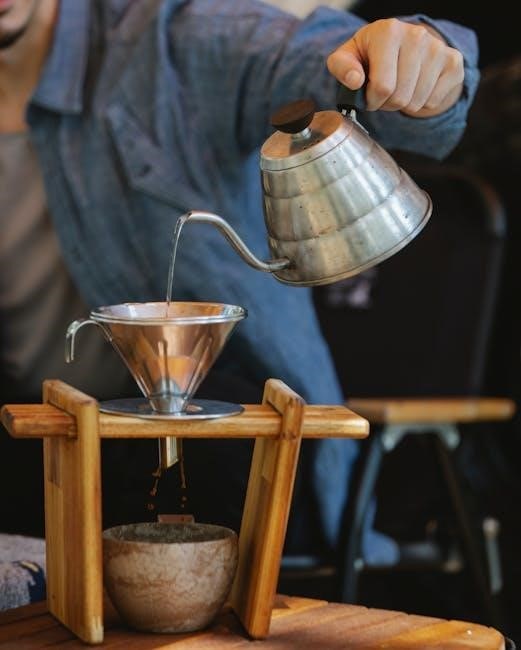
Accurate measurement is equally important․ Use the provided scoop or a kitchen scale to measure coffee grounds․ A general guideline is two level tablespoons of ground coffee per six ounces of water, but adjust to your personal preference․
Experiment with different coffee-to-water ratios to discover your ideal strength․ Remember that the quality of the beans significantly impacts the final taste․ Store coffee beans in an airtight container in a cool, dark place․ Consistent grind size and precise measurement are key to unlocking the full potential of your Capresso coffee maker․
Brewing Cycle Operation
Initiating the brewing process is straightforward․ Ensure the water reservoir is filled with fresh, filtered water and the filter basket contains the correct amount of ground coffee․ Close the lid securely and place the carafe on the warming plate․
Press the power button to begin the standard brewing cycle․ The machine will automatically heat the water and saturate the coffee grounds, extracting rich, flavorful coffee․ Brewing time varies depending on the amount of coffee being brewed․
For programmable features, consult the section on timer settings․ Always allow the brewing cycle to complete fully before removing the carafe․ The warming plate will keep the coffee warm for a set period, after which it will automatically shut off for safety․ Enjoy your freshly brewed Capresso coffee!
Standard Brew Settings
The Capresso coffee maker offers pre-set options for convenient brewing․ The standard setting is designed for a balanced flavor profile, ideal for everyday coffee consumption․ This setting utilizes a consistent water temperature and brew time to extract optimal taste from your coffee grounds․
To utilize the standard brew, simply fill the water reservoir, add ground coffee to the filter, and press the power button․ The machine will automatically handle the brewing process․ For stronger coffee, increase the coffee grounds used, but avoid overfilling the filter basket․
Experimenting with different coffee-to-water ratios will help you discover your preferred strength․ Remember to always use fresh, filtered water for the best results․ The standard setting provides a reliable and consistent brewing experience․
Programmable Features & Timer
Enhance your mornings with the Capresso’s programmable features! The built-in timer allows you to schedule brewing up to 24 hours in advance, ensuring a fresh pot awaits you․ Access the programming mode by pressing the ‘Program’ button, then set the desired brew start time using the hour and minute buttons․
Confirm your settings by pressing ‘Program’ again․ The machine will display a confirmation indicator․ This feature is perfect for busy schedules, allowing you to wake up to the aroma of freshly brewed coffee․ Remember to ensure sufficient water and coffee grounds are present before setting the timer․
The programmable timer offers convenience and consistency, automating your coffee routine․ Explore the settings to customize your brewing experience and enjoy a perfect cup, effortlessly․
Maintenance and Cleaning
Regular upkeep is vital for longevity․ Daily cleaning prevents residue buildup, while descaling removes mineral deposits․ Proper care ensures optimal performance and coffee quality․
Daily Cleaning Procedures
Consistent daily cleaning is paramount to maintaining your Capresso coffee maker’s performance and ensuring the freshest coffee flavor․ After each brewing cycle, immediately discard used coffee grounds and the filter․ Rinse the filter basket thoroughly with warm, soapy water․
The carafe should also be washed with warm, soapy water after each use․ Avoid abrasive cleaners, as they can damage the glass․ The water reservoir benefits from a quick rinse to prevent mineral buildup․ Wipe down the exterior of the coffee maker with a damp cloth to remove any spills or splatters․
Pay close attention to the spray head, ensuring it’s free from coffee residue․ Periodically, disassemble removable parts (if applicable to your model) for a more thorough cleaning․ This proactive approach prevents the accumulation of oils and minerals, contributing to a longer lifespan and consistently delicious coffee․
Descaling Your Capresso Coffee Maker
Regular descaling is crucial for removing mineral buildup, primarily calcium deposits, that accumulate over time from hard water․ This buildup can impede water flow and affect brewing temperature, ultimately impacting coffee quality․ The frequency of descaling depends on water hardness; typically, every 3-6 months is recommended․
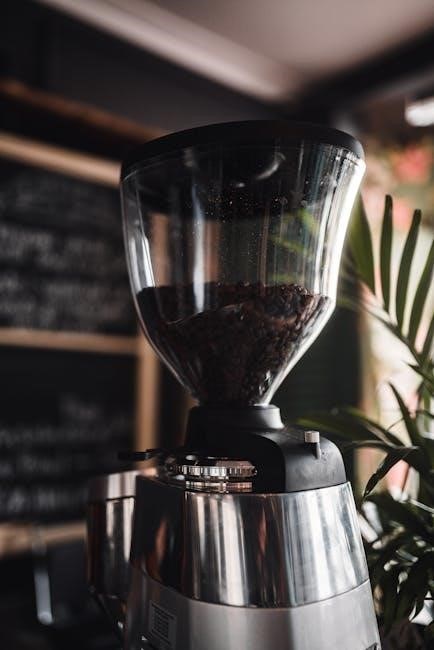
Use a commercially available descaling solution specifically designed for coffee makers, following the product’s instructions carefully․ Alternatively, a mixture of equal parts white vinegar and water can be used․ Fill the water reservoir with the descaling solution, and run a full brewing cycle without coffee grounds․
Follow this with two to three cycles of fresh water to thoroughly rinse the system and eliminate any residual descaling solution taste․ Proper descaling ensures optimal performance, extends the lifespan of your Capresso machine, and guarantees consistently flavorful coffee․
Troubleshooting Common Issues
If your Capresso coffee maker isn’t brewing, first check the power connection and ensure the water reservoir is properly seated․ A common issue is mineral buildup, requiring descaling (see dedicated section)․ If error messages appear, consult the specific code’s explanation in the manual – these often indicate sensor problems or low water levels․
For slow brewing, verify the coffee grind isn’t too fine, as this can restrict water flow․ Also, ensure the filter isn’t clogged․ If coffee overflows, reduce the amount of coffee grounds used․ If the coffee tastes weak, increase the coffee-to-water ratio or use a finer grind․
Persistent problems may require contacting Capresso customer support․ Always refer to the full instruction manual for detailed guidance and safety precautions before attempting any repairs yourself․
Addressing Error Messages
Capresso coffee makers utilize error messages to diagnose issues․ “LOW WATER” indicates insufficient water in the reservoir – refill and restart․ “DESCALE” signals mineral buildup; initiate the descaling cycle immediately using a suitable descaling solution․ “SENSOR ERROR” may require professional service, as it points to a faulty sensor․
A “TEMP ERROR” suggests a heating element malfunction, also needing professional attention․ If the display shows a flashing error code not listed in the manual, unplug the machine and contact Capresso support, providing the exact code․ Ignoring error messages can lead to further damage․
Remember to consult your model’s specific manual for a complete list of error codes and their corresponding solutions․ Attempting to bypass error messages without addressing the underlying problem is strongly discouraged․
Resolving Brewing Problems
Weak coffee often stems from insufficient coffee grounds or a coarse grind․ Experiment with finer grinds and increased coffee measurements․ Slow brewing can indicate clogged filters or mineral buildup – descale the machine and ensure proper filter placement․ If coffee overflows, reduce the water level or use a coarser grind․
No coffee brewing despite operation suggests a blocked water line; try descaling․ A lukewarm brew points to insufficient preheating; ensure the machine is fully warmed before brewing․ Bitter coffee may result from over-extraction – shorten the brewing time or use cooler water․
Consistent issues require checking the spray head for blockages and verifying the correct filter type is being used․ Always refer to the troubleshooting section of your specific Capresso model’s manual for detailed guidance․
Advanced Features & Tips
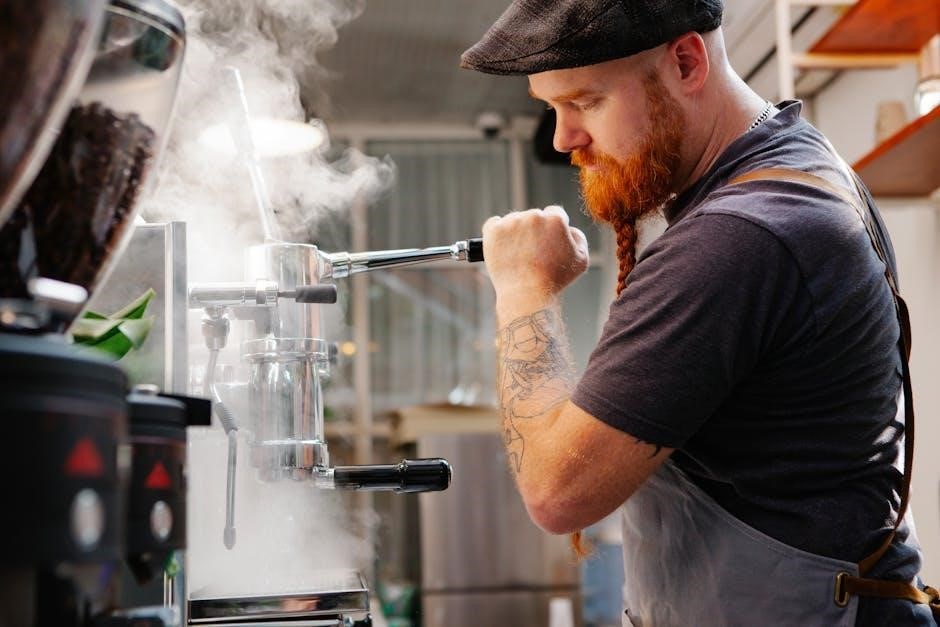
Explore steam functions (if equipped) for lattes and cappuccinos․ Understand how UK CBAM impacts import/export costs related to carbon emissions for Capresso products․
Using the Steam Function (if applicable)
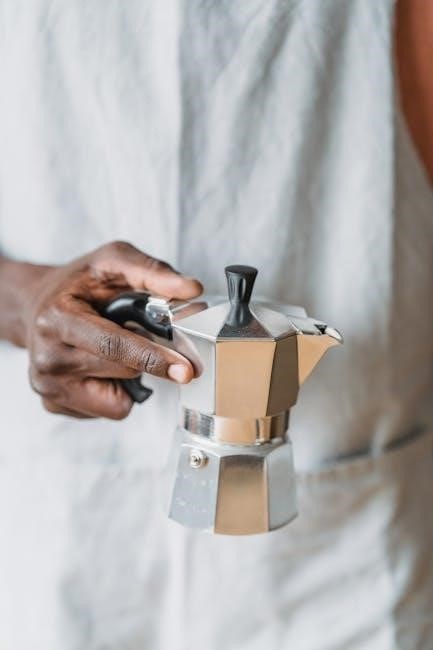
Steam Wand Operation: If your Capresso model features a steam wand, it allows for creating textured milk for specialty beverages like lattes and cappuccinos․ Ensure the machine has fully heated before initiating the steam function․ Purge the wand briefly to remove any condensation before immersing it into your milk pitcher․
Milk Frothing Technique: Submerge the wand tip just below the surface of the milk to introduce air, creating microfoam․ Lower the wand slightly as the milk expands, maintaining a whirlpool effect․ Once the desired volume is achieved, fully submerge the wand to heat the milk without adding more air․
Post-Use Cleaning: Immediately after use, purge the steam wand again to remove any remaining milk․ Wipe down the wand with a damp cloth to prevent buildup․ Regular cleaning ensures optimal performance and hygiene․ Failure to clean can lead to clogs and reduced steam pressure․
Capresso Coffee Maker and UK CBAM (Carbon Border Adjustment Mechanism) ⏤ Relevance to Import/Export
Understanding CBAM: The UK’s Carbon Border Adjustment Mechanism (CBAM) impacts imported goods with embedded carbon emissions, potentially affecting Capresso coffee makers․ This mechanism aims to level the playing field between domestic producers facing carbon pricing and foreign manufacturers without similar regulations․
Import Implications: Importers of Capresso machines into the UK may face CBAM charges calculated based on the carbon emissions generated during production and transportation․ These charges are linked to the UK Emissions Trading Scheme (ETS) price․ Registration with HMRC and quarterly reporting of embedded emissions will be required․
Export Considerations: Conversely, Capresso products manufactured in the UK and exported may be exempt from CBAM charges in certain destinations․ The CBAM’s impact will evolve as the UK refines its carbon pricing policies, potentially increasing import costs over time․