Overview
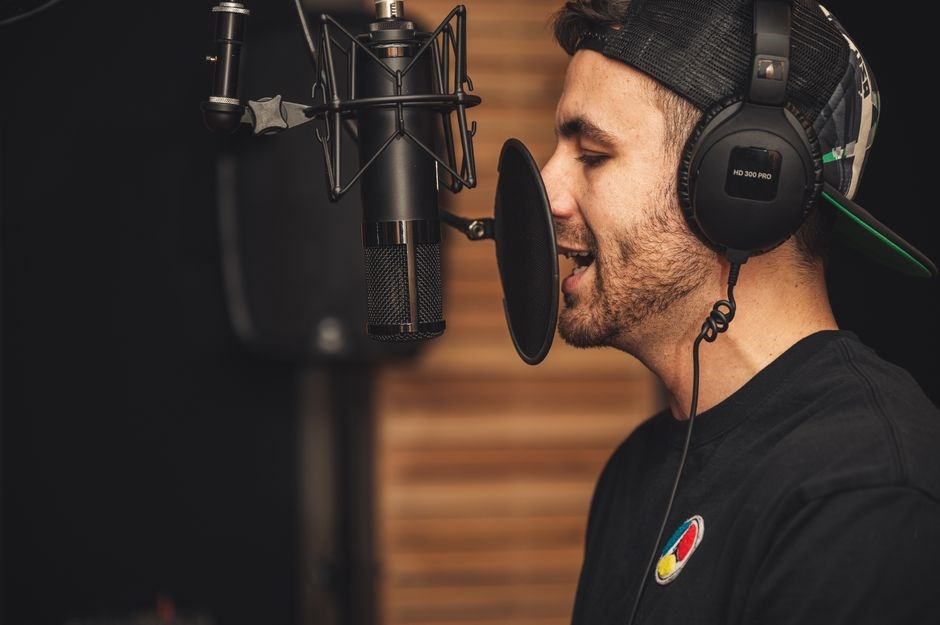
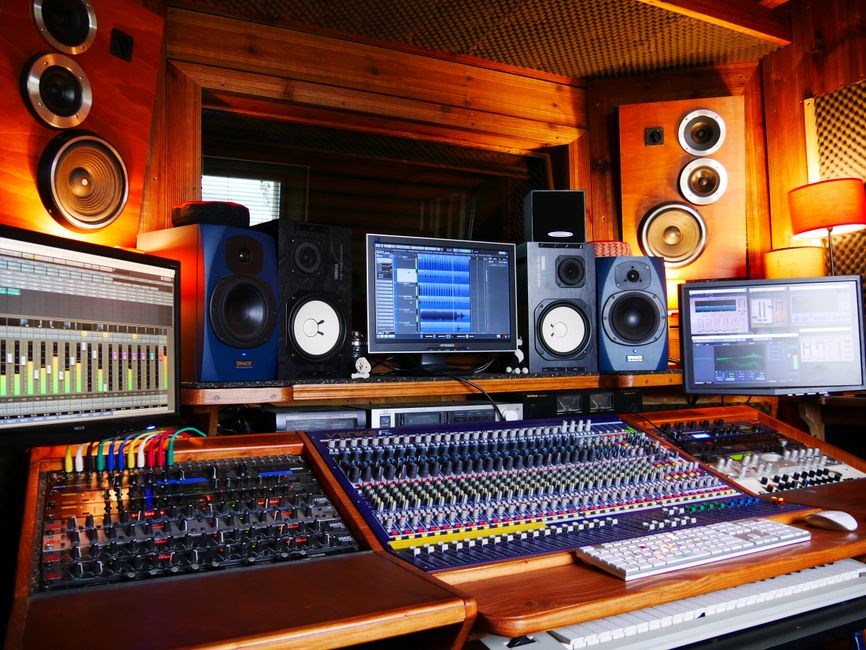
Professional studio gear lists include Apple Mac Pro‚ ProTools HD3‚ Octa-Capture interface‚ S&L AWS Delta 924 console‚ Rode & AKG mics‚ Focal monitors‚ Behringer control surface‚ Akai MIDI keyboard‚ and essential cables‚ stands‚ and pop filters․ All items are catalogued for quick reference and budgeting․ Thanks
Computer & DAW Setup
At the core of any professional studio is a reliable computer and a robust digital audio workstation (DAW)․ The Apple Mac Pro‚ 3․33 GHz 6‑core‚ serves as the processing powerhouse‚ paired with a high‑resolution HP 24 LCD monitor for clear visual feedback․ Pro Tools HD3‚ the industry‑standard DAW‚ runs on this platform‚ offering a dedicated Accel system for accelerated audio processing and a 192‑bit I/O audio interface for pristine signal paths․ The setup also includes Adaptec Toast with Jam CD Recording Software for legacy media workflows and Apple DVD Studio Pro for authoring․ Pro Tools v8 is complemented by a suite of high‑quality plugins: Sonnox Reverb‚ Reverb One‚ D‑Verb‚ Waves Renaissance Reverberator‚ Sonnox Dynamics‚ Bomb Factory LA‑2A amp‚ 1176‚ Focusrite d3‚ McDSP MC2000‚ Waves Renaissance Compressor‚ and Drawmer․ This combination delivers a balanced‚ high‑performance environment for recording‚ editing‚ mixing‚ and mastering․ Pro Tools HD3’s session file format supports up to 128 tracks‚ each with unlimited automation lanes‚ making it ideal for complex productions․ The Accel system’s dedicated DSP cores offload plug‑in processing‚ allowing real‑time rendering of the full plugin suite without latency․ The 192‑bit I/O interface provides 32‑channel analog input and output‚ ensuring high‑resolution signal paths for both live and studio sessions․ The workflow is further streamlined by the inclusion of the Adaptec Toast suite‚ which offers seamless integration of CD authoring and legacy media handling‚ while the Apple DVD Studio Pro adds a professional authoring layer for final distribution․ Combined‚ these components create a cohesive‚ high‑performance environment that scales from small projects to large‑scale productions․ With the inclusion of Komplete 11‚ producers gain access to a vast library of virtual instruments‚ from orchestral strings to synthesizers‚ all optimized for low latency․ Pro Tools 12’s updated interface and improved sample‑rate handling further enhance workflow efficiency․ The combination of these tools‚ along with the robust hardware foundation‚ ensures that engineers can focus on creative decisions rather than technical constraints․

Audio Interface Selection
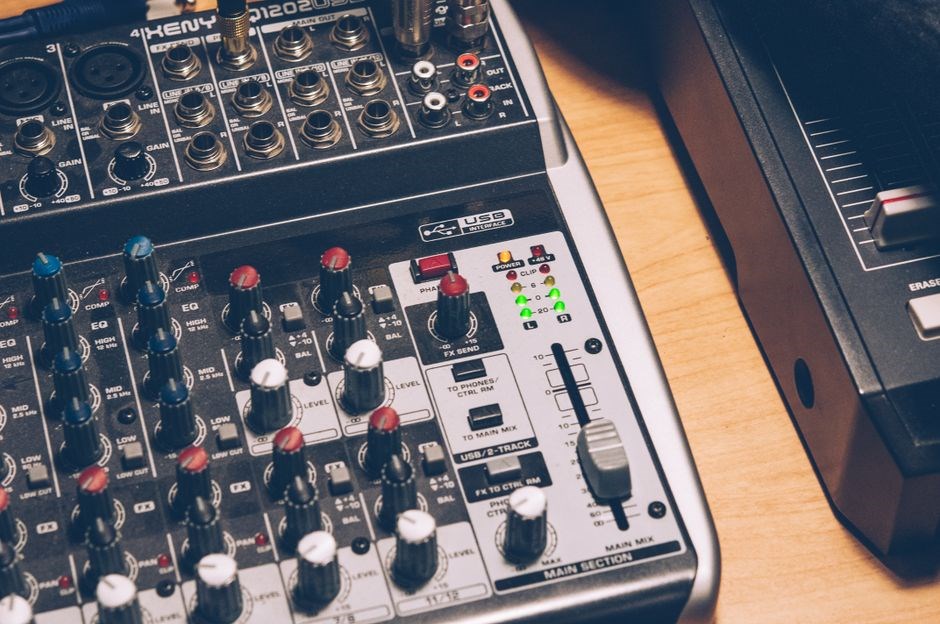
Choosing the right audio interface is pivotal for a professional studio’s signal integrity and workflow efficiency․ The Octa‑Capture USB Audio Interface‚ a staple in many educational and commercial setups‚ offers eight balanced XLR/¼‑inch inputs and eight outputs‚ all driven by a low‑latency USB 2․0 bus․ Its onboard DSP handles real‑time monitoring and plug‑in processing‚ freeing the host CPU for complex sessions․ For studios demanding higher channel counts and dedicated digital I/O‚ the Digidesign 192 I/O Audio Interface provides 32 analog inputs and outputs‚ plus 32 digital S/PDIF channels‚ all at 192 kHz/24‑bit resolution․ Its integration with Pro Tools HD3 is seamless‚ leveraging the Accel system for accelerated plug‑in rendering․ The interface’s robust build quality‚ featuring a metal chassis and high‑quality transformers‚ ensures long‑term reliability in demanding environments․ When selecting an interface‚ consider factors such as input type (XLR vs․ TRS)‚ phantom power availability‚ sample‑rate flexibility‚ and whether the system supports direct monitoring to avoid latency․ For hybrid studios‚ a combination of the Octa‑Capture for quick‚ portable sessions and the Digidesign 192 for large‑scale‚ multi‑track recordings can provide a balanced solution that scales with project complexity․ Ultimately‚ the interface should match the studio’s acoustic goals‚ ensuring clean‚ low‑noise conversion from microphone to digital domain․ By integrating high‑fidelity converters and low‑noise preamps‚ the interface guarantees transparent signal paths‚ allowing engineers to capture nuanced performances with minimal coloration

Microphone Choices
Rode and AKG microphones are staples in professional studios‚ each offering distinct sonic signatures․ The Rode NT1‚ a large‑diaphragm condenser‚ boasts a 4 dB self‑noise floor‚ making it ideal for capturing delicate vocals and acoustic instruments with transparency․ Its cardioid pattern rejects off‑axis bleed‚ and the included shock mount and pop filter preserve signal integrity․ The Rode NT2‑USB adds versatility with selectable frequency‑response modes—wide‚ super‑wide‚ and high‑pass—allowing the same mic to adapt from intimate piano to full‑band orchestral recordings․ AKG’s C414 XLII is renowned for its multi‑pattern capability (cardioid‚ omnidirectional‚ figure‑8‚ etc․) and its ability to handle high sound‑pressure levels without distortion‚ making it a go‑to choice for drums‚ brass‚ and ensemble work․ The smaller C214 offers similar fidelity with a slightly warmer tone‚ suitable for vocals and guitar amps․ Dynamic mics such as the AKG D112 and Shure SM57/58 are essential for close‑miking loud sources; the D112’s 20‑pole design captures low frequencies with punch‚ while the SM57’s tight cardioid excels on snare drums and guitar cabinets․ For a classic‚ punchy vocal sound‚ the Shure SM7B pairs well with a Rode or AKG condenser to balance warmth and clarity․ Matching a microphone’s polar pattern‚ frequency response‚ and sensitivity to the instrument and room acoustics maximizes performance․ Proper placement—distance‚ angle‚ isolation—reduces unwanted reflections․ Pairing the chosen mic with a clean preamp and a low‑latency interface preserves detail and dynamic range‚ delivering a professional‑grade final product․ When recording‚ test microphones in the intended space; a mic that sounds in a studio may behave differently in a live venue‚ so testing is essential!!
Monitoring & Headphones
With this gear‚ sculpt tracks that sound pristine on playback device‚ ensuring every nuance is captured with studio‑grade fidelity in high fidelity․!
Control Surface & MIDI Gear
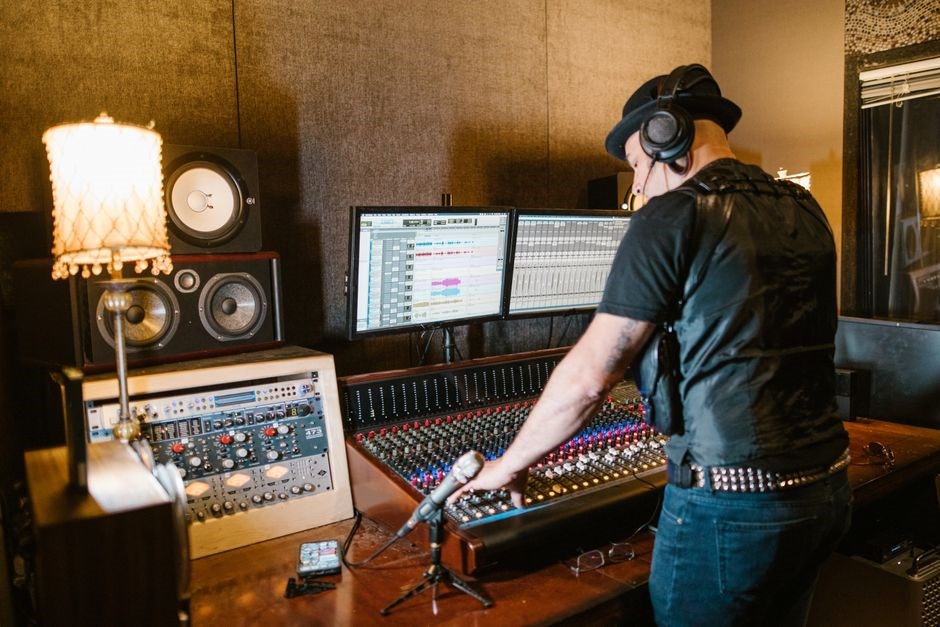
In a professional studio‚ the control surface and MIDI gear form the tactile bridge between the engineer and the digital domain․ A Behringer BCF2000 or BCF2000‑S offers a compact‚ fully‑motorized fader rack with 16 channels‚ integrated metering‚ and customizable button layouts‚ enabling precise mix adjustments without window switching․ Complementing this is an Akai MPK249 or MPK Mini MK3 MIDI keyboard‚ providing velocity‑sensitive keys‚ pads‚ and control knobs that map to Pro‑Tools parameters or virtual instruments․ The combination streamlines workflow‚ reduces latency‚ and enhances creative expression during tracking‚ editing‚ and mixing․ A dedicated headphone amplifier‚ such as the ART Pro Audio AM‑1‚ ensures accurate monitoring for each performer․ Together‚ these components create a cohesive‚ hands‑on interface that supports production standards․
BCF2000’s 8‑bit faders and 16‑bit metering give near‑real‑time feedback‚ while the Akai MPK249’s 49‑key velocity surface and 16‑band EQ knobs allow expressive control of virtual instruments․ MIDI CC mapping can be customized in Pro‑Tools HD3 for quick recall of scenes and automation․ Integration with Octa‑Capture ensures low‑latency performance‚ and pairing with an ART AM‑1 headphone amp provides isolated monitoring for each track․ This setup supports complex workflows‚ from live recording to mixing‚ while keeping a streamlined‚ hands‑on workflow that reduces window switching and mouse clicks․
BCF2000’s built‑in USB interface connects directly to Octa‑Capture‚ eliminating the need for an external audio interface for control․ MPK249’s 16‑band EQ knobs can route to the S&L AWS Delta 924 channel strip EQ for real‑time tonal shaping․ Together with Pro‑Tools HD3 Accel System‚ this combo offers a low‑latency‚ 24‑bit/192kHz environment that captures every nuance with precision․ This integrated approach is essential for studios demanding creative flexibility and technical reliability․

Studio Console & Effects Processors
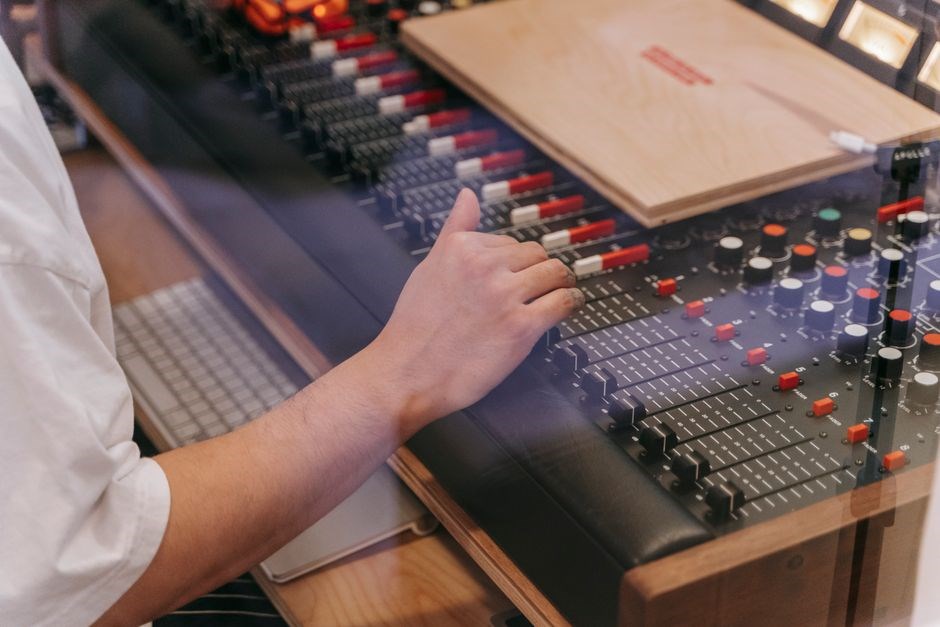
The Solid State Logic AWS Delta 924 is the flagship console for professional studios‚ offering a 32‑channel digital mixing environment with a 32‑bit DSP engine‚ high‑resolution A/D and D/A conversion‚ and a flexible routing matrix that supports complex signal chains․ Its motorized faders‚ touch‑screen display‚ and intuitive workflow allow engineers to sculpt sound with surgical precision․ The console’s built‑in effects section hosts a suite of high‑quality plugins‚ including Sonnox Reverb‚ Waves Renaissance Reverberator‚ and Sonnox Dynamics‚ enabling on‑the‑fly processing without leaving the console․
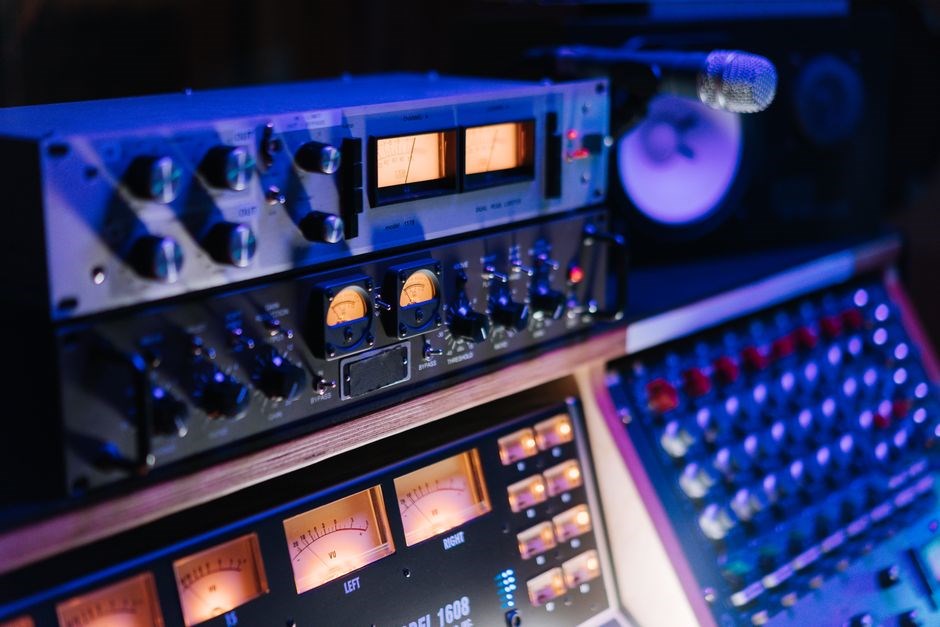
Complementing the console are dedicated hardware processors that add character and depth․ The T․C․ Electronic M2000 is a versatile 4‑band multi‑effect unit that delivers classic tape saturation‚ analog compression‚ and modulation effects‚ all controllable via MIDI or the console’s control surface․ The Bricasti M7‚ paired with the M10 remote‚ offers high‑end stereo reverb and delay with a wide range of algorithms‚ including realistic plate reverb and lush hall reverb‚ and can be integrated into the console’s channel strip for seamless mixing․ For playback and archival‚ the Yamaha CD‑S300 CD player provides reliable‚ high‑quality source playback‚ while the Ebtech LLS‑8 Line Level Shifter ensures clean‚ low‑noise signal routing between the console and external gear․
Together‚ the AWS Delta 924‚ M2000‚ Bricasti M7‚ Yamaha CD‑S300‚ and Ebtech LLS‑8 form a cohesive ecosystem that delivers pristine audio quality‚ flexible routing‚ and expressive processing․ This combination supports a wide range of production styles‚ from live recording to complex studio sessions‚ and provides engineers with the tools needed to achieve professional‑grade sound․
This console‑processor suite delivers studio‑grade precision and flexibility every mix․!!․․
Software & Plugins
ProTools v8‚ Apple DVD Studio Pro‚ and Komplete 11 form the core DAW suite․ Plugins include Sonnox Reverb‚ Reverb One‚ D‑Verb‚ Waves Renaissance Reverberator‚ Sonnox Dynamics‚ Bomb Factory LA‑2A‚ 1176‚ Focusrite d3‚ McDSP MC2000‚ Waves Renaissance Compressor‚ and Drawmer Supports VST/AU plugins for expanded flexibility now
Apple Mac Pro 3․33GHz 6-core
The Apple Mac Pro 3․33GHz 6‑core processor stands as the backbone of the professional recording studio’s digital audio workflow․ Its six‑core architecture delivers consistent‚ low‑latency performance essential for real‑time mixing‚ multi‑track editing‚ and plugin processing․ Integrated with the latest Intel Xeon chips‚ the machine supports ProTools HD3 acceleration‚ enabling seamless handling of large session files and complex routing scenarios․ With macOS’s optimized audio stack‚ the system offers superior clock stability and minimal jitter‚ which translates to pristine audio fidelity during recording and playback․ The device’s dual‑channel Thunderbolt 3 ports provide high‑speed connectivity for external drives‚ MIDI gear‚ and networked audio protocols‚ while the built‑in 4‑channel audio output supports direct monitoring to studio headphones or monitor speakers․ Its sleek‚ modular chassis allows for easy upgrades and maintenance‚ making it future‑proof for evolving studio demands․ In the professional equipment list PDF‚ the Mac Pro is highlighted as the central processing hub that integrates all hardware components—from the Octa‑Capture interface to the S&L AWS Delta 924 console—into a cohesive‚ high‑performance recording environment․ With its modular design‚ the machine’s builtin SSDs deliver readwrite speeds that keep large sample libraries and multi‑track sessions responsive․ The Mac Pro’s thermal management ensures quiet operation even during marathon sessions‚ making it the preferred choice for studios that demand uncompromised performance and reliability․ And smooth flow !!!
Digidesign ProTools HD3 Accel System
ProTools HD3 Accel is the flagship digital audio workstation engine that powers high‑end recording studios worldwide․ Built on a dedicated hardware accelerator‚ it delivers real‑time processing of hundreds of tracks‚ complex plug‑in chains‚ and multi‑channel routing without latency․ The system integrates seamlessly with the Apple Mac Pro 3․33GHz 6‑core‚ leveraging its multi‑core architecture to offload CPU‑intensive tasks․ ProTools HD3 supports 192kHz/24‑bit audio‚ enabling pristine sample‑accurate recording and mixing․ Its modular design allows for expansion via HD3 cards‚ adding more input/output channels‚ DSP power‚ or storage bandwidth․ The software stack includes industry‑standard plug‑ins such as Sonnox Reverb‚ D‑Verb‚ Waves Renaissance‚ and Bomb Factory compressors‚ all optimized for HD3 acceleration․ Studio engineers appreciate the intuitive session layout‚ flexible routing‚ and powerful automation features that streamline complex projects․ The Accel system’s robust hardware architecture ensures stability during long sessions‚ while its low‑latency monitoring path provides immediate feedback․ In the professional equipment list PDF‚ ProTools HD3 Accel is highlighted as the core DAW that unifies all audio interfaces‚ consoles‚ and monitoring gear into a single‚ high‑performance workflow․ Its reliability and scalability make it the preferred choice for studios that demand uncompromised audio quality and workflow efficiency․ It remains the standard for studios worldwide‚ audio․! It integrates seamlessly with every studio gear․
Octa-Capture USB Audio Interface
The Octa‑Capture USB Audio Interface is a compact‚ high‑resolution gateway that bridges analog signals to digital workflows in a single‚ low‑latency package․ With eight balanced XLR/¼‑inch inputs and eight balanced outputs‚ it supports 24‑bit/192kHz recording and playback‚ making it ideal for both field and studio environments․ The interface features a dedicated headphone amplifier with independent volume controls‚ allowing engineers to monitor multiple sources simultaneously without crosstalk․ Its USB 3․0 bus provides ample bandwidth for multi‑track sessions‚ while the onboard DSP handles real‑time effects such as EQ‚ compression‚ and reverb‚ freeing the host CPU․ The device is powered via USB‚ eliminating the need for an external power supply and simplifying rack installation․ The Octa‑Capture’s rugged chassis and gold‑plated connectors ensure durability and signal integrity‚ even under demanding touring conditions․ Software integration is straightforward: the included driver package supports ProTools‚ Logic‚ Ableton Live‚ and other major DAWs‚ and the interface can be configured through a lightweight control panel․ In the professional recording studio equipment list PDF‚ the Octa‑Capture is listed as a versatile‚ cost‑effective solution for engineers who require high‑quality audio conversion without the bulk of traditional audio interfaces․ Its plug‑and‑play nature and robust feature set make it a staple in modern recording setups‚ from home studios to mobile rigs․ Its low‑latency performance‚ with as little as 2․5 ms round‑trip‚ ensures that performers can play in time with the mix․ The interface in offers a 48V phantom power option on all mic inputs‚ supporting condenser microphones without external supplies․ The compact footprint (6․5 × 3․5 × 1․5 inches) and lightweight design (under 1 lb) make it ideal for mobile recording setups․ Users can also route audio to external DSP units via the line outputs‚ expanding creative possibilities․ Overall‚ the Octa‑Capture USB Audio Interface combines portability‚ high‑fidelity conversion‚ and flexible routing to meet the demands of contemporary recording professionals․
Solid State Logic AWS Delta 924 Console
The Solid State Logic AWS Delta 924 is a flagship digital mixing console that blends classic analog warmth with modern digital precision․ Designed for high‑end recording studios‚ it offers 24‑bit/192kHz audio processing‚ 32 input channels‚ and 32 output buses‚ all controlled via a large‚ high‑resolution touchscreen and a customizable button matrix․ Each channel strip includes a full suite of signal‑flow controls: gain‚ EQ‚ dynamics‚ and a versatile insert path that can host any third‑party plugin or hardware unit․ The console’s built‑in DSP engine runs on a dedicated 8‑core processor‚ ensuring zero‑latency monitoring and real‑time effects such as convolution reverb‚ multiband compression‚ and stereo widening․ The AWS Delta 924 also features a robust routing matrix that supports up to 256 simultaneous paths‚ making it ideal for complex session architectures․ Its firmware is continuously updated‚ adding new features like advanced bus automation‚ scene recall‚ and integration with ProTools HD and other DAWs via the S&L API․ The console’s chassis is engineered for reliability‚ with redundant power supplies and a modular design that allows for future expansion․ For live sound applications‚ the Delta 924 can be configured as a portable mixer‚ thanks to its lightweight footprint and battery‑backed operation․ In the professional recording studio equipment list PDF‚ the AWS Delta 924 is highlighted as the centerpiece of a studio’s signal chain‚ providing engineers with a single‚ cohesive platform for recording‚ mixing‚ and mastering․ Its combination of high‑quality analog circuitry‚ powerful
Rode and AKG Microphones
Rode and AKG microphones are staples in professional recording studios‚ offering a range of dynamic‚ condenser‚ and ribbon models that cover every sonic requirement․ Rode’s Pro‑caster series‚ such as the R-121 and R-121A‚ deliver low‑frequency response and high‑sensitivity‚ making them ideal for vocal and podcast applications․ The Rode NT1-A‚ with its ultra‑low self‑noise of 4․5 dBA‚ is a favorite for acoustic instruments and studio vocals‚ providing a clear‚ airy tone that preserves subtle nuances․ The Rode NTK‚ a large‑diaphragm condenser‚ is prized for its natural warmth and extended high‑frequency response‚ suitable for orchestral recording and vocal layering․ AKG’s iconic AKG C414 XLII‚ a multi‑pattern condenser‚ offers nine selectable polar patterns and a built‑in high‑pass filter‚ allowing engineers to capture the exact ambience of a room or isolate a single instrument․ The AKG D112‚ a dynamic microphone with a 20‑mm diaphragm‚ is renowned for its punchy low‑end and is a go‑to for drum kits and bass guitars․ The AKG C214‚ a large‑diaphragm condenser‚ provides a balanced‚ detailed sound with a smooth high‑end‚ making it versatile for both studio and live settings․ Both brands emphasize robust construction; Rode’s rugged metal housings resist humidity and vibration‚ while AKG’s aluminum bodies provide durability and a classic look․ In the professional recording studio equipment list PDF‚ these microphones are grouped together to highlight their complementary strengths: Rode’s affordability and versatility paired with AKG’s premium performance and multi‑pattern flexibility․ Together‚ they form a comprehensive toolkit that can handle any recording scenario‚ from intimate vocal sessions to full‑band orchestras‚ ensuring consistent‚ high‑quality capture across the board․ All models are studio‑rated now!!